Fence Company for HOAs and Areas (Title).
Walking a community line with a clipboard can seem like a silent work until you stand at a gateway with sun-baked articles and an occupant's issue hovering in the air. Then it becomes clear why HOAs and neighborhood boards deal with fencing like infrastructure, not design. A good fence company does greater than set up panels and expect the best. It navigates regulations, wind and climate, resident expectations, and the sensible reality that every fencing line has a story behind it.
I have actually seen areas where a "easy replacement" turned into six weeks of layout modifications because the fencing elevation conflicted with a videotaped covenant, or since a drainage swale was silently eating the base. I have actually also seen the contrary, where a thoughtful fencing strategy lowered maintenance ask for years because it matched the dirt problems, respected sight lines, and used materials that in fact make sense locally.
If you're an HOA manager, board member, or residential or commercial property leader, the best approach is to treat your fence task like a worked with effort: approvals, measurements, design when required, scheduling, and interaction. That is the distinction in between a fence company that just does installs and one that understands communities.
Why fencings are a board-level choice, not a service provider afterthought
In several neighborhoods, a fencing is the border between "personal and secured" and "everybody can see everything." It forms behavior, too. I have actually enjoyed dog-related issues go down when an HOA-approved fencing got rid of spaces that people kept attempting to climb around. I've additionally watched moods flare when locals really felt blindsided by a change in appearance or perceived "creep" of a fence line.
For HOAs, fences usually sit at the intersection of:
- covenant limitations and approved layout criteria
- safety assumptions and take the chance of administration
- drainage, grading, and landscaping connection
- budget pacing and long-term upkeep preparation
What makes it difficult is that the fencing line is hardly ever a tidy, straight line on paper. Study borders, utility easements, and landscaping constraints develop a problem where the "appropriate response" depends upon what's already there and what's legally permissible.
A qualified fence company will begin by valuing that complexity, not by rushing to get materials dropped. They ask questions early, record existing problems, and prepare for adjustments so the final mount does not feel like a compromise that everybody only realizes after the fact.
The large 3: compliance, drainage, and resident trust
A fence project can fall short in 3 predictable methods, even when workmanship is solid.
First is compliance. Every community has its own rules, yet they often fall into a few groups: height limits, allowed products, setback regulations, required styles, and limitations on transparency or appearance. Some commitments allow substitutes "like for like," but require approval if the product adjustments from timber to plastic, or if the leading rail alters the visual profile. If you miss this step, you may get a fencing constructed quickly, then be forced into a redesign later.
Second is drainage. Fencing messages do not live in a vacuum cleaner. In clay-heavy dirts or locations with constant rainfall, a base can clear up unevenly. In sandy locations with changing ground, a blog post can loosen up if the embedment and backfill are incorrect. If your area has actually understood water flow patterns, the fence strategy requires to represent them. Otherwise, you'll see lean messages after the first heavy period, and you will hear the very same issue from three different homeowners: "It wasn't like this previously."
Third is resident count on. Also the most effective fencing can create rubbing if the community feels ignored. Boards commonly take too lightly just how much focus homeowners pay to timelines and "what to anticipate" information. A fence company that brings clear scheduling, secured areas throughout building, and courteous site practices gains a good reputation. That matters, since HOAs deal with individuals. Individuals have opinions, and opinions travel faster than debris piles.
In technique, the strongest fence company process straighten compliance, drainage preparation, and communication from the start. You don't see it when it goes smoothly, however you can feel it when the process is dealt with thoughtfully.
Design decisions that actually affect performance
When people visualize a fence replacement, they think design initially. Design matters, yet performance is shaped by information that most boards never ever see till problems show up.
Material selections with real-world consequences
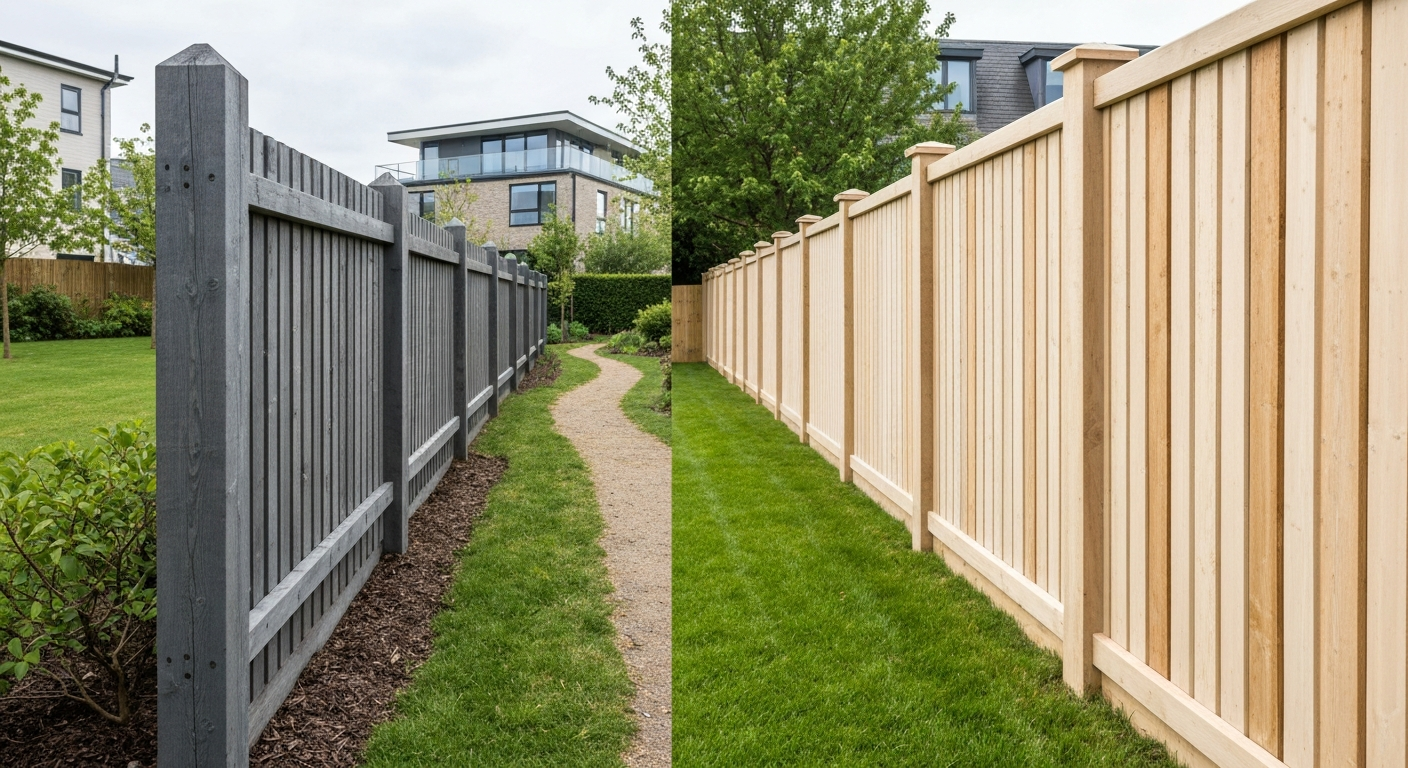
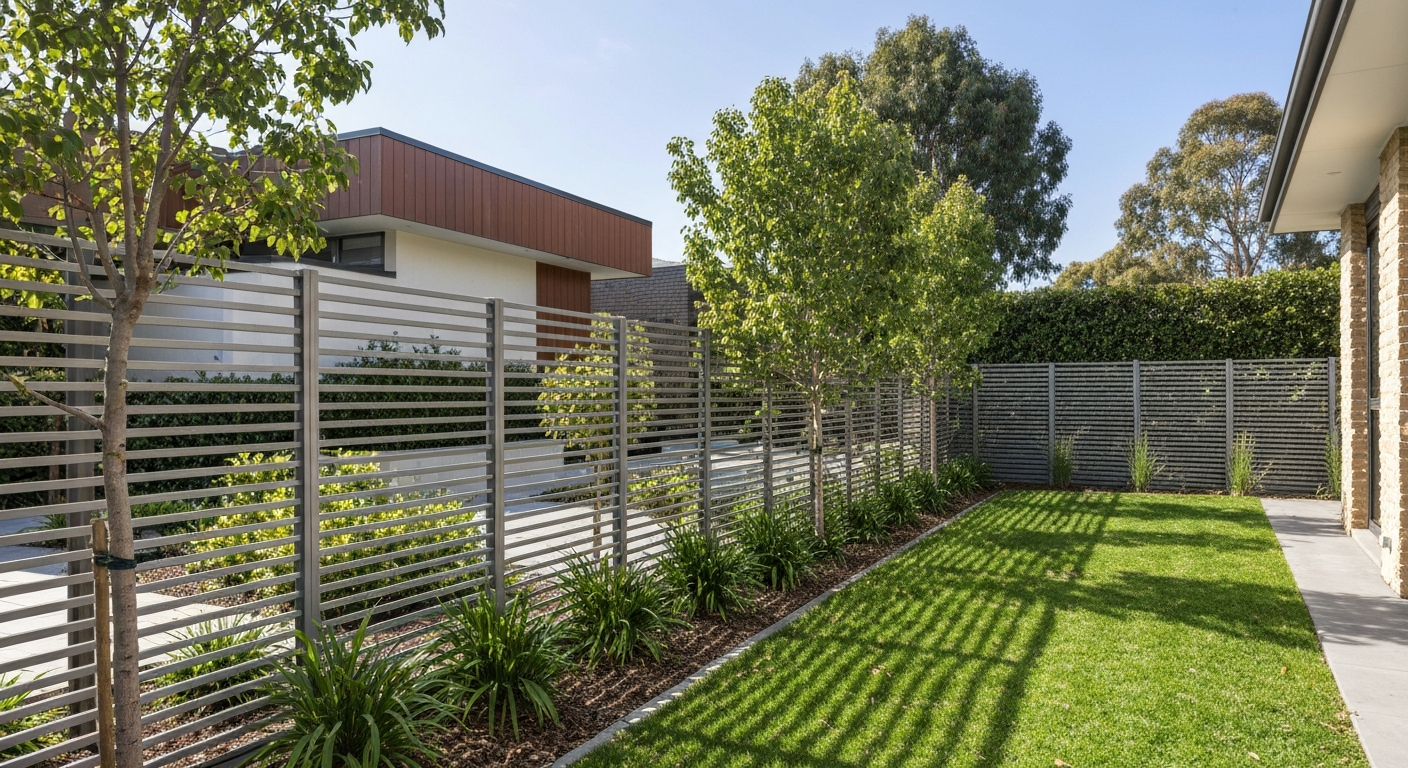
Wood, steel, vinyl, and composite each carry trade-offs. Wood can mix beautifully right into a neighborhood, yet it needs maintenance preparation that not every HOA wishes to fund yearly. Metal fence can be long lasting and crisp, yet personal privacy levels depend upon the design and just how the community desires it to look. Plastic and composite often take care of climate well, yet they can also reveal imperfections if the install is hurried or the base prep is inconsistent.
A fence company that has functioned across several community kinds will typically direct your board towards options that match your environment and upkeep appetite, not toward the most pricey choice or one of the most common one. In windy areas, blog post spacing, supporting, and panel stamina issue more than locals understand. In high-heat locations, coatings and materials react differently.
Height, view lines, and safety
Height limits are hardly ever simply "a number." They influence sight lines for drivers, exposure for safety electronic cameras, and exactly how the fence connects with landscaping. For certain corridors or near intersections, even where an agreement enables an elevation, boards may still favor a traditional account to prevent producing blind spots.
A fence company can aid you assume in terms of useful outcomes. Sometimes the most effective option is not the highest fence that's allowed, yet the fencing that meets security and personal privacy objectives while maintaining next-door neighbors comfortable.
Gates are where projects either do well or drag
Gates are always extra job than people anticipate. They need placement, dependable equipment, and clearance planning. A gate that rubs in the morning frost will irritate residents. A gateway that does not lock securely ends up being a security concern and a constant upkeep call.
If your neighborhood has high website traffic factors, think about gate toughness and operational usefulness. A fence company need to discuss just how gates will be set up, just how often the hardware is likely to be serviced, and whether a particular style of lock matches your security goals.
The invisible work: measurement, design, and message foundations
When a fencing goes up easily, it looks effortless. The reverse is frequently true. The "invisible" job includes site measurement, design modifications, and foundation planning.
Fence lines often intersect with truths like:
- existing hardscape, visuals, and irrigation lines
- uneven quality and drainage swales
- mature trees with roots that require rerouting
This is where a skilled fence company makes its maintain. The work is not to require a fence into a strategy, it is to make the plan fit the property.
On foundation, the details issue. Message embedment deepness depends upon soil type and frost factors to consider where suitable. Backfill issues. Compaction matters. Also the choice in between concrete and different stablizing approaches can be influenced by your website and your upkeep goals.
If the area is in an area with seasonal cold, foundations and embedment strategy become even more crucial. In warmer environments, negotiation still takes place if the base is not engineered for the ground conditions.
The best boards ask for documents, not simply assures. If the fence company can describe just how they intend to handle soil problems, just how they'll confirm line and degree, and what they do when they discover surprises, that's a strong indicator the project will certainly be controlled.
How HOAs need to veterinarian a fence company (without transforming it into a trial)
It's tempting for boards to hire quickly due to the fact that they're tired of the current fence looking worn out. Yet rate without due persistance can set you back even more later in rework and approvals.
A much more functional approach is to treat supplier option like a measured process, because a fencing is a noticeable, long-lived decision.
Here's a focused method to review a fence company that works well for HOAs and area boards:
- Ask exactly how they deal with covenant approval steps, consisting of documentation and layout alignment
- Confirm just how they survey and mark lines prior to building and construction begins
- Request a clear description of foundation technique based on local soil and drainage problems
- Verify just how they schedule and protect common areas throughout installation
- Inquire concerning warranty range and just how service warranty problems are dealt with for community-wide jobs
You're not trying to catch a person in a trap. You're attempting to recognize how they think, and whether their procedure matches the method your HOA requires to work.
Budgeting with the reality: fences are hardly ever a single line item
Many boards build spending plans around materials plus labor, after that get stunned by the additionals. In area settings, bonus are not a detour, they become part of the job.
Common price chauffeurs consist of adjustments in design to meet approvals, additional articles due to design modifications, longer mobilization times if the website has limited gain access to, and allowing Fencing contractors Victoria topfencing.com.au or evaluation steps. Water drainage modifications and changes around fully grown trees can additionally affect price.
The daring component, if you can call it that, is planning for uncertainty without panicking. When I assist neighborhoods talk via spending plans, I urge them to hold a backup range that matches their website intricacy. For a fairly uncomplicated replacement in constant problems, you could see smaller variations. For a fence line with grade adjustments, numerous gateway kinds, or vague limit conditions, the array must be wider.
If your board wants a smoother task, it helps to ask the fence company to go through "what might transform" and just how they would manage each scenario. When shocks occur, you want them to be handled through a specified decision path, not improvisated in the field.
Scheduling that values homeowners, not simply the calendar
A fence project can be loud, dusty, and disruptive also when the staff is specialist. HOAs usually care about fairness, implying locals near the job area should not really feel like the job is taking place "to them," and residents not near the work need to not really feel ignored.
Scheduling is part of resident trust fund. A fence company that collaborates access times, shields landscaping, and manages waste cleanup minimizes issues. When teams get here without clear interaction, locals presume the HOA is messy, even if the professional is the one that missed a step.
One practical information that boards occasionally forget is preparation for authorizations. If style changes call for board evaluation, include that into the schedule early. The fence company can normally assist approximate the length of time each stage takes based on their historical timelines, as long as your HOA gives the needed details promptly.
Where the schedule often damages down is when details moves gradually in between celebrations: commitment analysis, survey confirmation, or entrance hardware choice. A solid fence company will promote clearness early so the develop time does not come to be a waiting game.
Permits, easements, and limit inquiries: the areas that create delays
Even when a fencing feels like an uncomplicated substitute, some communities sit near utility easements, drainage easements, or limit uncertainties. It's not constantly noticeable from the home line pens on the ground.
If a fence company experiences a limit inquiry mid-project, the board can obtain stuck. The specialist can not simply make a decision to move a fencing without a reputable basis. The HOA can not continue without clarity.
To keep the task relocating, it helps to line up early:
- What your videotaped files state concerning fence placement
- What the area already carries data (surveys, plats, authorized fencing requirements)
- How the fence company will certainly verify line and quality prior to digging
A careful fence company will certainly document status quo prior to installation and will communicate quickly if they discover a disparity. By doing this, you're adjusting the plan early, not rushing after concrete sets.
A glimpse at what a "excellent" job timeline can really feel like
Every neighborhood's timeline differs, however the flow issues. The very best fence projects tend to comply with a sequence where decisions occur when you still have flexibility.
Here's exactly how a typical HOA-focused fence substitute usually plays out in the real world, from the board's perspective:
- Review agreements and validate the approved fence style and elevation constraints
- Site measurement and layout noting, consisting of border checks and drainage considerations
- Materials order with lead-time awareness, after that last scheduling for the install window
- Construction with day-to-day website monitoring, secured typical areas, and cleaning requirements
- Punch listing walk, documents, and guarantee walkthrough for upkeep follow-through
Note that this timeline presumes your HOA relocates decision factors at a practical rate. When approvals drag, even the very best fence company can do just wait.
Maintenance realities, due to the fact that fences are long-term relationships
A fence is not a 1 year item. Even vinyl needs examination and periodic focus. Timber needs a prepare for staining, securing, or replacement of broken areas. Metal needs cleansing and spot checks for coating wear.
For HOAs, upkeep is where the long-term worth turns up. When a fence company sets up a system with excellent foundation practices, consistent alignment, and appropriate hardware, maintenance ends up being foreseeable. When installment is rushed, upkeep ends up being reactive, and responsive upkeep is expensive.
The best boards ask for upkeep assumptions during handoff. They want support on what to watch for, exactly how soon to check after the initial period, and what actions locals must take if something breaks.
A fence company that acts like a partner rather than a passerby will assist the HOA build that maintenance routine. Not with a thick manual that no one reads, yet with functional notes that make it much easier to take care of the residential or commercial property going forward.
Handling edge situations that boards in fact face
No issue how clean your preparation is, you will certainly satisfy side cases.
Section-by-section substitute versus complete line replacement
Sometimes boards intend to replace only the most awful sections. This can be a sensible technique when the fencing is primarily in good form. The trade-off is that brand-new sections may look different with time, especially with timber grain, color aging, or the means products weather condition in your area. If the area values harmony, a full line substitute might be the much better alternative, even if it's more expensive upfront.
A fence company must help you think through both outcomes honestly, including how you'll manage dissimilar areas and when you could require additional work later.
Uneven grade and transitions near landscaping
If the fencing line passes by planters, increased beds, or uneven grade, you need a strategy for exactly how the fencing will tip or change. A "one-size-fits-all" method tends to create ugly voids or stretched panels. Much better intending looks like intentional design changes that maintain visual appeals while keeping the fencing stable.
This is just one of the reasons experienced fence crews gauge multiple points along the line. They are resolving the geometry before the panels go up.
Tree roots, incline, and "we can not dig there" moments
Mature trees produce a complicated border in between conservation and installment needs. If you are near big origins, you may reroute blog post locations or adjust foundation strategy. A fence company that deals with these moments like design issues rather than problems will decrease the opportunity of damage and rework.
The board ought to also make clear whether tree security criteria apply, and whether any kind of landscape design remediation is expected after installation.
What homeowners will notice, and how to make the experience smoother
Residents discover details that boards do not always forecast. They notice whether building and construction debris stays consisted of. They discover whether gates are briefly safeguarded. They notice whether staffs go into backyards without care. They discover whether the fence looks "appropriate" also prior to they recognize the technical factors it is correct.
A fence company that understands areas will construct great routines right into the procedure: clear entrance signs, managed hosting locations, and considerate interaction. For HOAs, this decreases friction because citizens feel respected.
If you desire a resident-friendly task, take into consideration coupling the specialist's site lead with an assigned HOA factor of get in touch with. In this way, concerns get answered promptly and concerns obtain resolved without weeks of voicemail.
Choosing the ideal fence company for your neighborhood's design and rules
The ideal fit is not always the most affordable bid. For an HOA, the best fit is the company whose procedure matches your governance design, your approval timeline, and your expectations for tidiness and communication.
When you interview fence company candidates, pay attention for exactly how they describe risk. Do they discuss what might go wrong and just how they prevent it, or do they just speak about what they will do? Do they ask you for your regulating papers, or do they presume the policies are versatile? Do they point out drain and base prep without you triggering them?
Those reactions tell you greater than a refined estimate sheet.
Your area is a living set of top priorities: safety and security, personal privacy, aesthetics, and lasting prices. A fence job touches all of them, and it lasts longer than the majority of board members anticipate to be around to take care of it.
That's why the right fence company feels different. They do not treat your fencing like a quick work. They treat it like part of an area's identity, and they intend accordingly.
Questions to give the following board meeting
If you're preparing for a fencing conversation at the HOA level, bring concerns that require clearness. Not "just how much," right away, but "exactly how will you make this certified and steady."
You can frame it around 3 styles: policies, performance, and people.
What policies does the fence company need from us, and how do they document compliance? Exactly how do they deal with drain and dirt conditions so the fence stays right after the initial wet period? And exactly how do they connect throughout building and construction so homeowners really feel informed, not surprised?
Get those solutions, and the rest of the decision ends up being easier.
A fence can be a quiet renovation that people forget about because it functions. When a fence falls short, everyone notices right away. Picking a fence company that recognizes that distinction is just how HOAs turn a stressful task into a property the area can in fact rely on.